
Every year on 22 September, World Rhino Day brings attention to one of the world’s most recognisable animals and the growing challenges facing its survival.
For Saving Private Rhino, the day is about more than raising awareness. It is a reminder of the rangers, conservation teams, veterinarians, private reserves and organisations working every day to protect rhinos from poaching and help injured and orphaned animals survive.
There is also reason for cautious optimism. Rhino conservation has achieved some remarkable successes, and poaching levels in South Africa have fallen considerably from their peak. But with approximately 26,700 rhinos remaining across the world, the species is still far from safe.
World Rhino Day is therefore an opportunity to look at where rhinos stand today, why they continue to be targeted and what is being done to protect them.

Africa is home to the world’s remaining wild rhinos
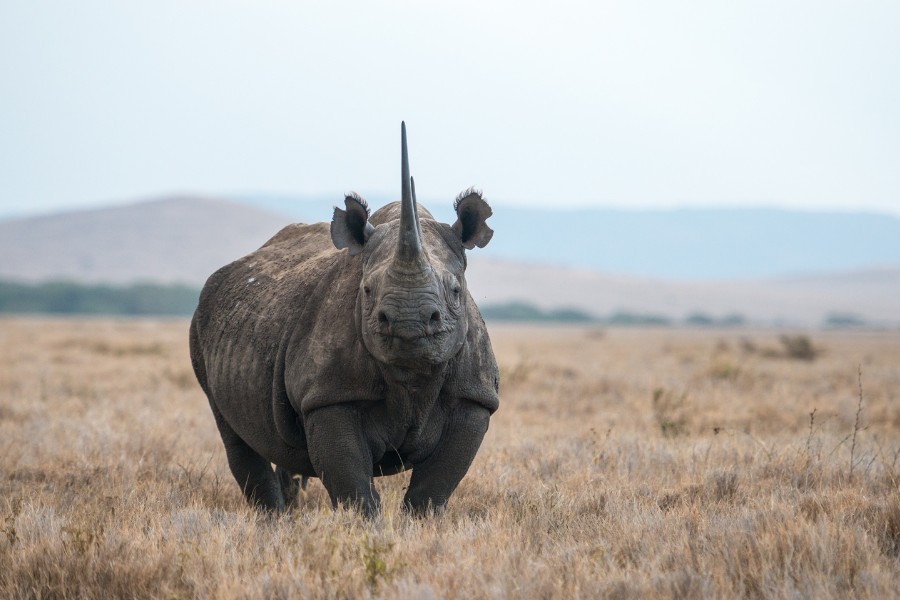
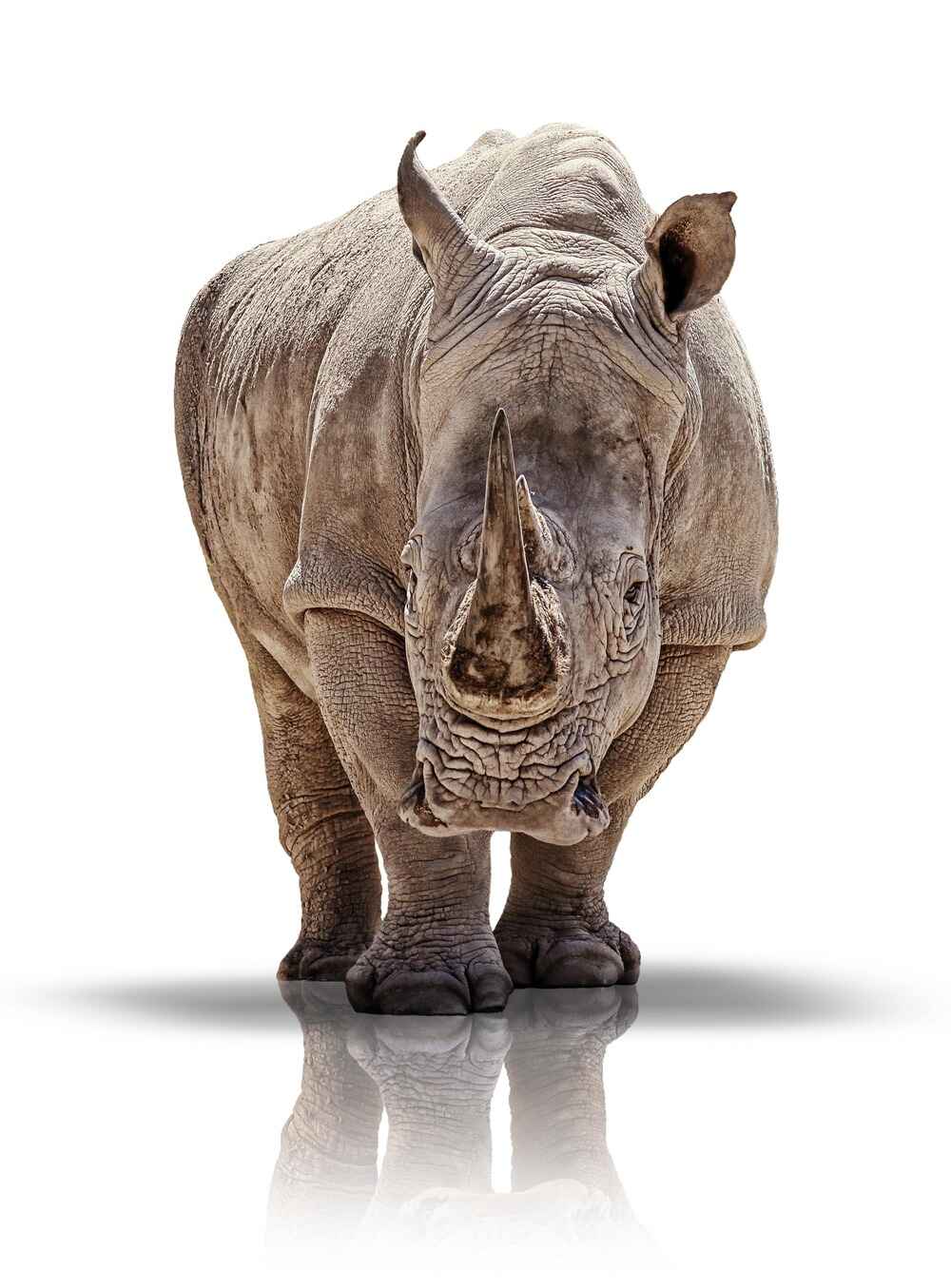
Of the five rhino species found globally, two occur naturally in Africa: the black rhino and the white rhino.
By the end of 2024, Africa was home to an estimated 22,540 rhinos, including approximately 15,752 white rhinos and 6,788 black rhinos. While black rhino populations have continued to recover, white rhino numbers have declined in recent years, largely due to poaching losses in South Africa and Namibia.
South Africa carries much of the responsibility for the future of these species.
The country is home to the world’s largest white rhino population and nearly half of Africa’s black rhinos, making it one of the most important rhino conservation destinations on Earth.
Protecting rhinos in South Africa is therefore not only a national conservation issue, but a global one.
Why are rhinos still poached?
Rhino poaching is driven by demand for their horns.
Although rhino horn is made mainly of keratin, the same material found in human hair and fingernails, it remains highly valued in illegal markets. In some countries, horn is used in traditional medicine, while in others it is purchased as a status symbol. There is no scientific evidence that rhino horn has medicinal benefits. Poaching is not carried out by individuals acting alone. Modern rhino poaching is linked to organised criminal networks operating across international borders.

The situation in South Africa
South Africa remains the epicentre of both rhino conservation and rhino poaching.
The latest figures show that 352 rhinos were poached in South Africa during 2025, down from 420 in 2024 and 499 in 2023. This represents a second consecutive annual decline of around 16%, highlighting the impact of anti-poaching operations, improved intelligence and stronger collaboration between government, private reserves and conservation organisations.
On average, South Africa still loses almost one rhino every day.
Conservation is evolving
Protecting rhinos today looks very different from twenty years ago. Conservation teams now use a combination of ranger patrols, surveillance systems and specialised veterinary support. Some reserves have also introduced dehorning programmes, which recent research suggests can significantly reduce poaching incidents.
At the same time, conservationists recognise that protection cannot only focus on security. Communities living near protected areas are an important part of long-term conservation. Education, employment opportunities and community partnerships help create shared value around wildlife and reduce the influence of criminal syndicates.
Rhino conservation is also increasingly reliant on collaboration between government parks, private reserves, non-profit organisations and donors.

Why private rhino conservation matters
Private reserves play a significant role in protecting South Africa’s rhinos, however protecting rhinos is costly. Security teams, veterinary care, monitoring systems, rapid response units and anti-poaching operations require substantial ongoing investment.
This is where organisations such as Saving private Rhino make a difference.
Founded in 2011 following a devastating poaching incident, Saving Private Rhino supports private game reserve through anti-poaching initiatives, training and free rapid 24-hour response service. The organisation assists with veterinary care, rhino rehabilitation and support orphaned rhinos. It also works to raise awareness and educate future generations about conservation.
Every rhino saved contributes to the future of the species.

A symbol of hope
Africa’s rhino story is not only one of loss. Black rhino populations have more than doubled since the 1990’s, showing that conservation can work when there is enough support, funding and collaboration. Poaching in South Africa has declined significantly from its peak years and many reserves continue to strengthen their protection measures.
But the work is far from over.
Every World Rhino Day is a reminder that rhinos still need protection, and that South Africa remains at the centre of that effort. The future of South Africa’s rhinos depends on the people working in reserves, on conservation organisations, on local communities and on individuals who choose to support the fight against wildlife crime.
Protecting rhinos is about more than saving a species, its about protecting a part of Africa’s natural heritage for future generations.
FAQ: Frequently asked questions about rhinos in Africa
What is World Rhino Day?
World rhino day is held on 22 September every year. The day raises awareness of the threats facing rhinos and highlights conservation efforts to protect them.
Why is World Rhino Day important?
World Rhino Day helps draw attention to the threats facing the world’s remaining rhinos, particularly poaching, habitat loss and the illegal wildlife trade. In South Africa, it also highlights the ongoing work of conservation organisations, private reserves, rangers, veterinarians and communities protecting rhinos.
Why are rhinos poached?
Rhinos are primarily poached for their horns, which are illegally traded internationally. Rhino horn is made mainly from keratin, the same protein found in human hair and fingernails, but it has been given a high value in some traditional medicine markets and as a status symbol.
What is the difference between a black rhino and a white rhino?
Despite their names, black and white rhinos are not distinguished by colour. Both can appear grey. The main difference is their body shape and feeding behaviour. White rhinos have broad, flat lips adapted for grazing, while black rhinos have pointed, prehensile lips suited to browsing on leaves, shoots and branches.
Are white rhinos endangered?
The conservation status of the southern white rhino is currently Near Threatened, although its population has declined substantially in recent years. White rhinos remain particularly vulnerable to poaching because South Africa holds such a large proportion of the global population.
Are black rhinos endangered?
Yes. The black rhino is classified as Critically Endangered. However, its population has increased through decades of conservation work, demonstrating that well-funded and sustained protection can help rhino populations recover.
Does dehorning save rhinos from poaching?
Dehorning can reduce the incentive for poachers and is used by some reserves as part of a wider protection strategy. However, it is not a complete solution. Rhinos still require security, monitoring and protection because dehorned animals can still be targeted and horns eventually grow back.
What happens to a rhino that survives a poaching attack?
A rhino that survives a poaching attack may suffer severe physical injuries and require urgent veterinary treatment. Saving Private Rhino provides a 24-hour rapid rhino response service, including expert rhino carers, veterinary assistance, reconstructive surgery and transportation of orphaned rhinos to a secure orphanage.
Why are private game reserves important for rhino conservation?
Private game reserves now hold a significant proportion of South Africa’s rhino population, making them an important part of national conservation efforts. Protecting these animals requires ongoing security, monitoring, veterinary care and trained personnel.
How can I help save rhinos?
You can support reputable rhino conservation organisations, learn about the realities of wildlife crime, share accurate information and support responsible wildlife tourism. Donations can also help fund anti-poaching operations, veterinary care, rhino rehabilitation and conservation education.
Are rhinos part of the Big Five?
Yes, rhinos are part of the Big Five, alongside lion, leopard, elephant and buffalo. The term originally referred to the five African animals considered the most difficult and dangerous to hunt on foot. Today, the Big Five have become a symbol of African wildlife and conservation, with rhinos in particular highlighting the importance of protecting threatened species and their habitats.